
Boom movement
Explain which movement changed and the last known boom position. Existing observations are sufficient; no demonstration is requested.

On-site equipment repair
Boom lift repair for GTA sites needing help with boom movement, controls, travel or power concerns. Mobile Forklift Repair discusses mobile aerial lift repair using the model, boom configuration and the event that interrupted work.
What to expect
Identify whether the boom is articulated or telescopic if that information is already known. Describe the affected movement in ordinary language: raising, extending, turning or travelling. A change in one movement is not the same account as the whole machine losing power.
Boom lift service concerns an aerial platform, not a forklift or a load-handling telehandler. Include the current boom/platform position and the controls in use during the original event. Do not repeat a movement, bypass an interlock or access unsupported elevated equipment to investigate.
How on-site service works
Explain which movement changed and the last known boom position. Existing observations are sufficient; no demonstration is requested.
Identify where the operator was controlling the lift and any displayed message. Do not compare controls by operating it again.
Separate travel concerns from power loss. State battery, engine or other power information only when the model records confirm it.
Service scope
These related repair guides explain system-level observations. Share your equipment model so the applicable work can be discussed.

Report observed fluid leakage or changed boom movement without opening a hydraulic line. The movement description does not establish the failed component.
Discuss this repair
Control messages or intermittent response provide useful electrical context. Availability of model-specific diagnostics needs review.
Discuss this repair
For engine-powered models, distinguish starting or running changes from travel problems. This category does not assume every boom lift uses an engine.
Discuss this repair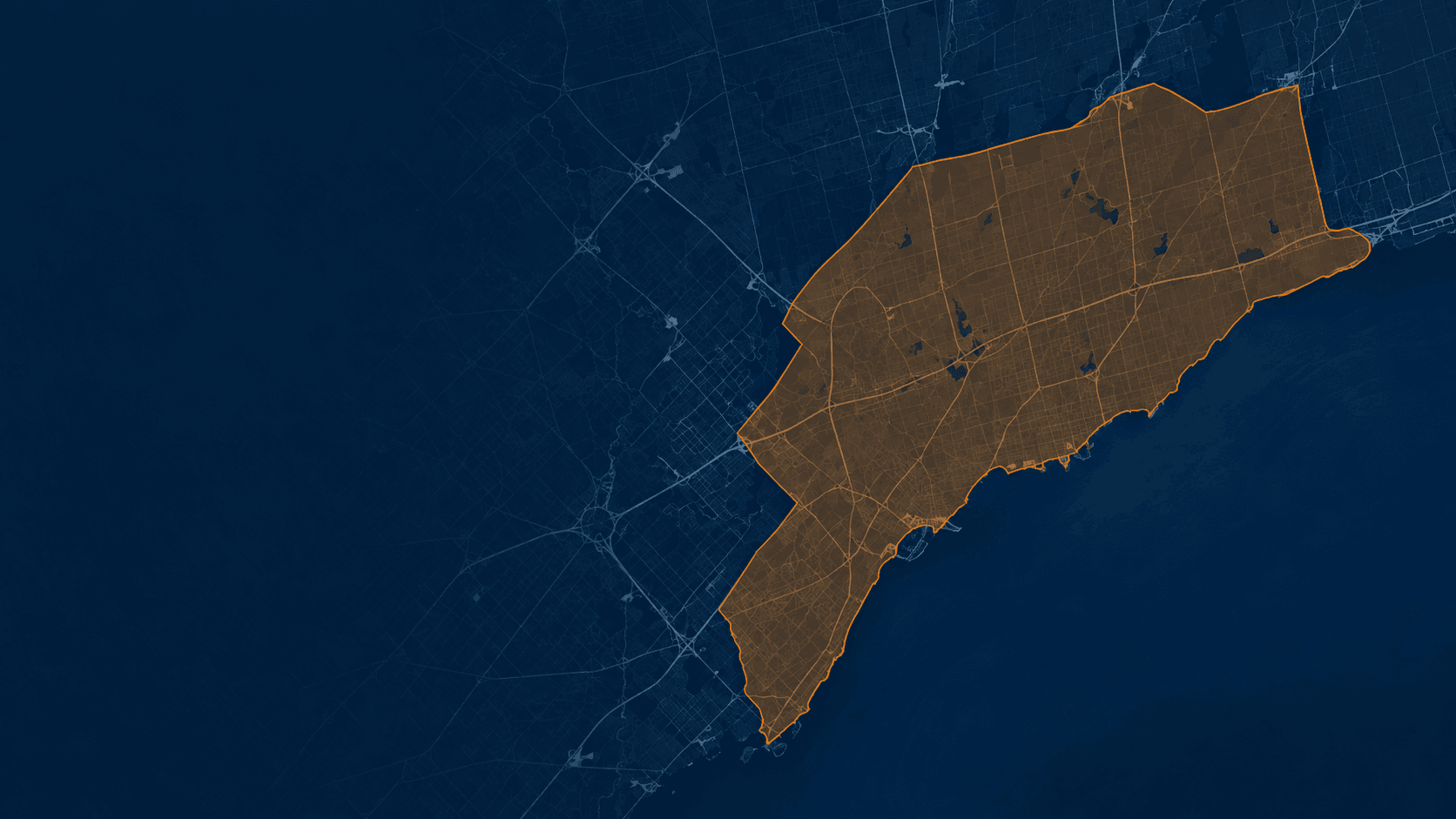
Service area
Mobile service is available across the Greater Toronto Area from a Toronto dispatch base. Provide the actual equipment location and site contact to discuss access and availability.
Regular service: Monday–Saturday: 8:00 a.m.–6:00 p.m. (America/Toronto). A request does not confirm dispatch or a completion time.
Not a service boundary or business premises
How it works
For boom lift troubleshooting, provide the model, boom configuration if known, current position and affected movement. Add the power type, original control location and any existing message. Explain site access and who can discuss the machine; do not move the boom for photos or recreate the fault.
Separate raising, extending, turning and travel in the original event report.
Supply the model and power information already held, plus site and platform-position context.
The information is reviewed before confirming practical access, scheduling and repair scope.
FAQs
Include that information if known, along with the model. It helps identify the machine configuration. You do not need to operate or inspect the boom to classify it; the available equipment records can start the discussion.
Report the direction or movement that was affected and what happened during the original event. Note any message already shown. Do not run another movement cycle to confirm the symptom or assume a valve or controller has failed.
No. Identify the machine by its model and intended use. This page concerns an aerial work platform; a telehandler enquiry concerns telescopic material handling. The presence of a boom alone is not enough to select the equipment type.
Yes. Include the known power arrangement and any charging or runtime observations in the boom lift request. Engine-related guidance applies only where an engine is fitted; it is not a requirement for requesting boom lift service.
A routine repair enquiry is not an emergency rescue service. Do not rely on the website form for an immediate elevated-platform safety situation. Follow site emergency arrangements and identify the current platform situation clearly when communicating with responders.
Request service
For boom lift troubleshooting, provide the model, boom configuration if known, current position and affected movement. Add the power type, original control location and any existing message. Explain site access and who can discuss the machine; do not move the boom for photos or recreate the fault.
We review the equipment, symptoms and site details before agreeing the work.