
Starting history
Note whether starting behaviour changed suddenly or was reported more than once, without repeated attempts for testing.

On-site equipment repair
Diesel forklift repair begins with the operating change you noticed: starting difficulty, different engine behaviour, reduced power or an unfamiliar smoke or noise observation. Mobile Forklift Repair discusses on-site assessment for diesel forklifts across the GTA.
What to expect
Explain whether the concern appeared before starting, while running or alongside a change in drive performance. Existing smoke or noise observations can be recorded in plain language, but neither the appearance of smoke nor a sound identifies a failed component on its own.
Provide the forklift model and available engine or service records. Do not assume a particular injection, exhaust-treatment or diagnostic configuration from the word diesel. Existing identification and operating history help establish the assessment requirements; no disassembly or fuel-system testing is needed to prepare your enquiry.
How on-site service works
Note whether starting behaviour changed suddenly or was reported more than once, without repeated attempts for testing.
Describe engine performance separately from truck movement so the account does not assume a transmission or engine failure.
Report what was already noticed and when. Do not run the engine to collect a video or recreate the concern.
Service scope
For engine operation or power-delivery concerns, describe starting and running separately from truck movement. Include the diesel forklift identification and known service history so engine and drivetrain repair requirements can be assessed.
Discuss this repairAn existing starting message or intermittent control concern may require electrical assessment. Include the exact model and message rather than assuming every diesel no-start complaint is mechanical.
Discuss this repair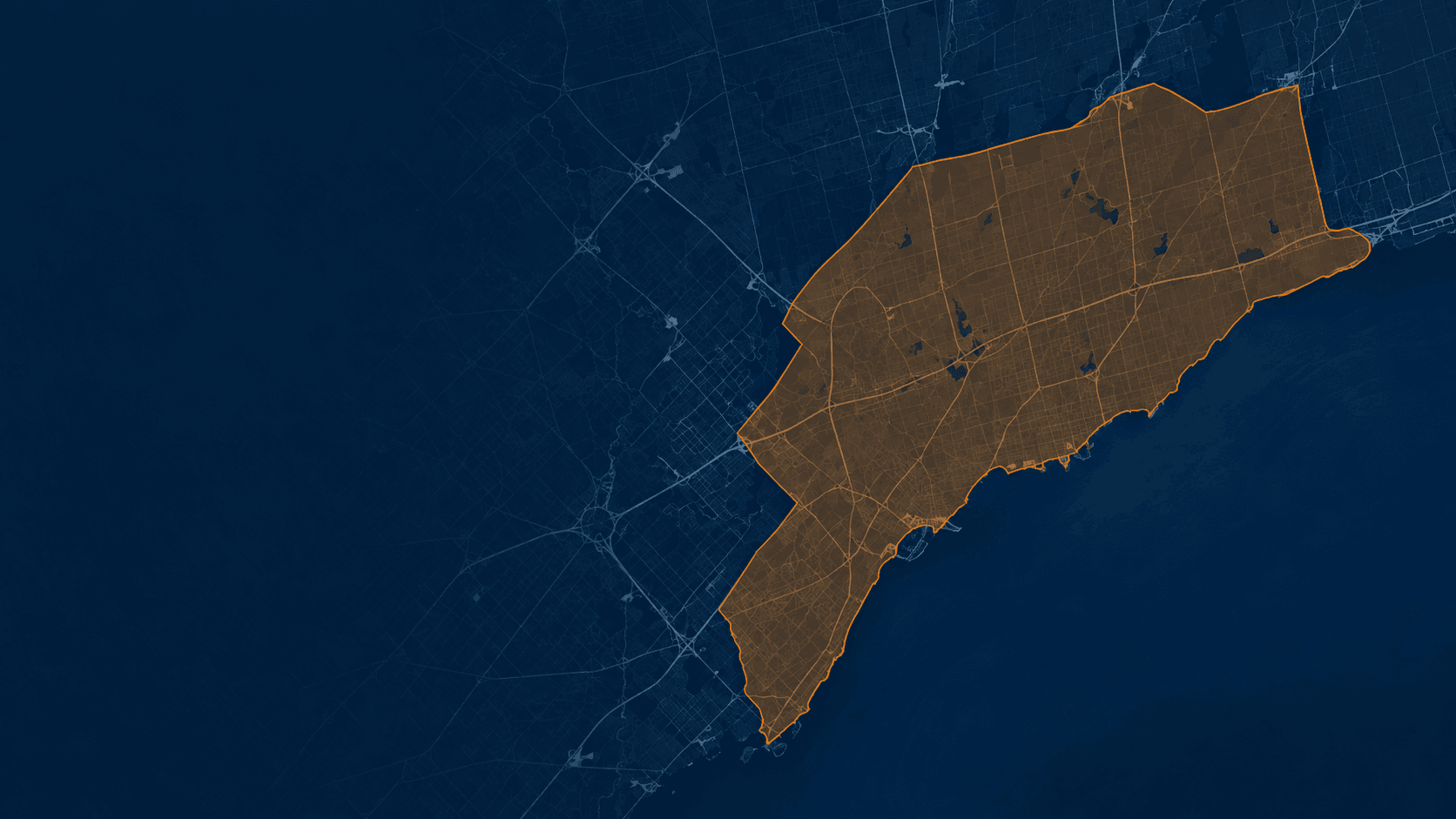
Service area
Mobile service covers the Greater Toronto Area from a Toronto, Ontario dispatch base. Provide the actual facility address and access contact; no public drop-off address is provided.
Regular service: Monday–Saturday: 8:00 a.m.–6:00 p.m. (America/Toronto). Emergency forklift repair is available 24/7. Response time, dispatch and repair completion depend on the request; no response-time guarantee is offered.
Not a service boundary or business premises
How it works
For mobile diesel forklift repair, share the truck make/model, available engine identification, the starting or running change and recent service history. Describe smoke/noise only as already observed, including when it appeared. State separately whether travel or power delivery changed. No disassembly, fuel testing or fault recreation is needed.
Describe the original starting/running event and the reported power, sound or smoke change.
Share available engine identification and recent work without guessing the diagnostic or exhaust configuration.
Explain the truck location, site contact and access window before repair scope or scheduling is agreed.
FAQs
No. Describe an observation already made and when it appeared, but do not diagnose a component from smoke alone. Equipment identification, history and assessment are needed. Do not run the engine again simply to produce a photo or video for an enquiry.
Explain the engine behaviour and whether truck movement was affected separately. Mention when the change was first noticed and any existing display message. This helps distinguish the account of engine operation from a drive complaint without assuming a cause.
Include both if already available in equipment records. The truck model alone may not describe every installed configuration. Do not dismantle guards or enter an unsafe area to find additional details for the request.
An exact code and equipment context are useful, but a code alone is not a confirmed diagnosis. Do not clear messages or perform tests to gather more information. Starting complaints can be discussed alongside relevant electrical or engine assessment.
No specific exhaust-treatment configuration, proprietary tool access or manufacturer authorization is promised. Describe the truck and known messages so practical service requirements can be reviewed. Do not bypass or modify emissions equipment.
Describe each change separately: whether the engine started or ran differently, and what happened to travel or power delivery. Add the make/model, available engine identification and recent service history. One request with the existing observations is enough; do not run the truck again to recreate the concern.
Request service
For mobile diesel forklift repair, share the truck make/model, available engine identification, the starting or running change and recent service history. Describe smoke/noise only as already observed, including when it appeared. State separately whether travel or power delivery changed. No disassembly, fuel testing or fault recreation is needed.
Submitting a request does not confirm a booking, dispatch or completion time.