
Reach and mast movement
Report whether the original concern involved extending/retracting, raising/lowering or unusual mast movement. Note the position already observed, not a new test.

On-site equipment repair
Mobile reach truck repair for GTA warehouses and distribution facilities. Tell us whether the interruption involves aisle travel, steering, lifting or the reach mechanism so we can discuss the equipment and on-site assessment.
What to expect
A reach truck used for rack access presents more than a general lift complaint. The reach movement, vertical mast travel and movement of the truck itself are separate observations. Describe which operation was underway when the issue first appeared, without repeating it to demonstrate the fault.
Include the truck model and the aisle or rack position where it stopped. A machine obstructing an aisle needs a different access discussion from equipment parked in an open service area. Mobile Forklift Repair can discuss reach truck service without asking you to diagnose the mechanism or move faulty equipment.
How on-site service works
Report whether the original concern involved extending/retracting, raising/lowering or unusual mast movement. Note the position already observed, not a new test.
Describe delayed travel, a steering concern or a change in movement separately from a lift problem. Add any message already shown.
If runtime or charging changed, include known battery and charger identifiers. Do not assume a reach-function interruption proves a battery fault.
Service scope
These related repair guides explain system-level observations. Share your equipment model so the applicable work can be discussed.

Control responses and existing display messages help frame an electrical enquiry. This related service covers wiring and control concerns; model-specific requirements still need discussion.
Discuss this repair
For mast movement, chain noise or lifting observations, describe the mechanical concern and rack context. Do not inspect a raised mast to collect details.
Discuss this repair
A charging interruption or shortened operating period needs the truck, battery and charger details together, rather than a guessed replacement component.
Discuss this repair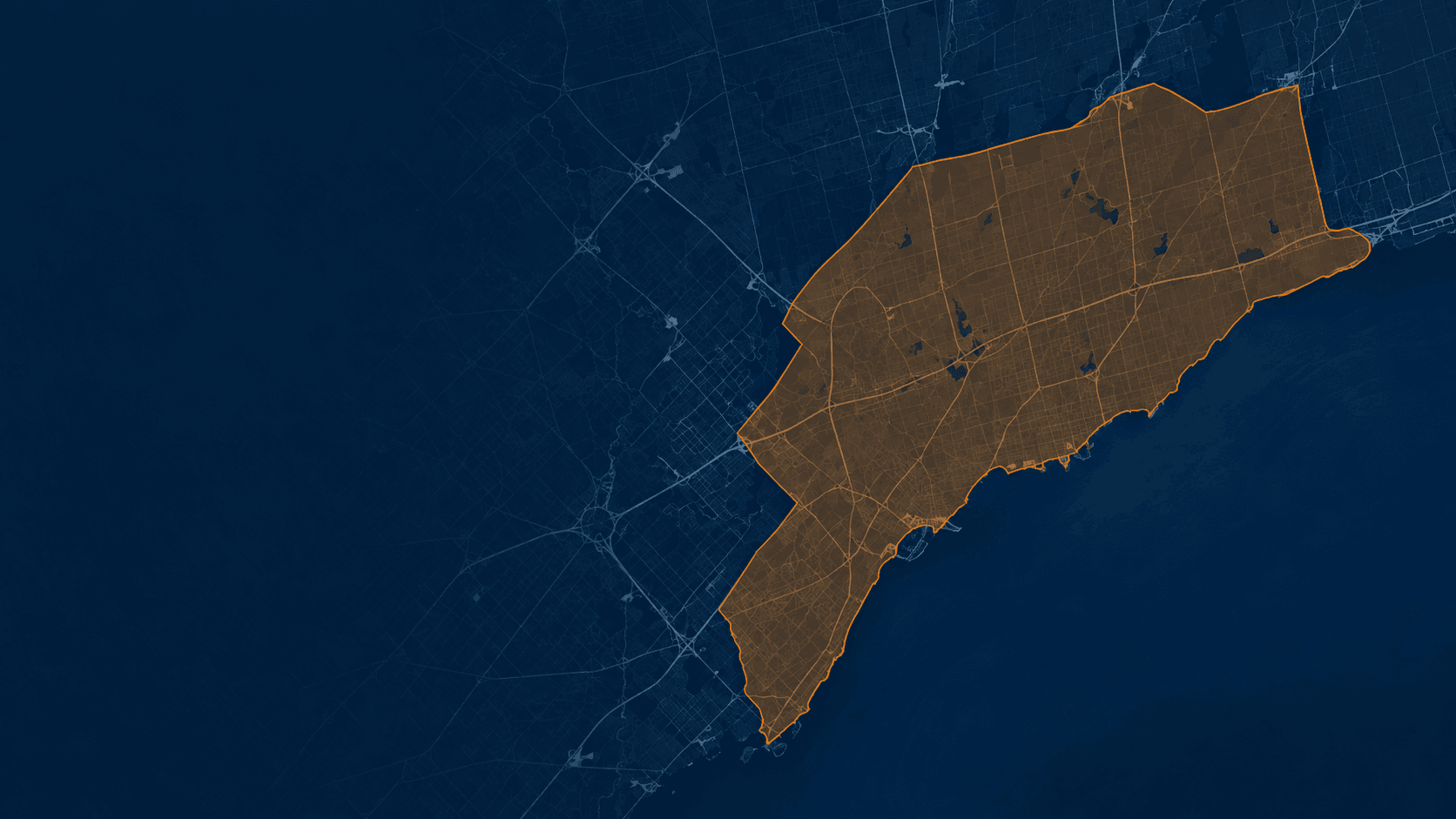
Service area
Mobile service is available across the Greater Toronto Area from a Toronto dispatch base. Provide the actual equipment location and site contact to discuss access and availability.
Regular service: Monday–Saturday: 8:00 a.m.–6:00 p.m. (America/Toronto). A request does not confirm dispatch or a completion time.
Not a service boundary or business premises
How it works
For reach truck troubleshooting, provide the make/model, asset number, affected movement, existing messages and the aisle location. Explain whether stock or access restrictions affect the repair area. Existing operator notes are enough to begin; no mast or electrical investigation is requested.
Separate reach, vertical lift and aisle-travel observations in the request.
Share equipment records and the warehouse contact who can explain its current location.
We review the information with you before confirming assessment scope and availability.
FAQs
Yes. If you refer to the machine as a reach forklift, include its model and confirm that it is a reach truck. The equipment identifier is more useful than the informal name for discussing the repair.
State that travel and reach behaved differently, then describe the original event and any displayed message. Do not recreate the movement. Those observations help distinguish the affected function without identifying the cause.
Include when the noise was already heard and which movement was happening. A description from the operator is useful; do not raise the mast, enter the mechanism or make a recording that requires running faulty equipment.
Yes. Tell us its location, any access restrictions and who manages the warehouse area. Moving the truck is not a prerequisite for sending an enquiry; practical access and repair arrangements must be agreed for the site.
No cause can be established from the equipment name alone. Separate charging or runtime observations from a reach, steering or mast complaint. Include battery information when relevant, but do not guess a battery or controller failure.
Request service
For reach truck troubleshooting, provide the make/model, asset number, affected movement, existing messages and the aisle location. Explain whether stock or access restrictions affect the repair area. Existing operator notes are enough to begin; no mast or electrical investigation is requested.
We review the equipment, symptoms and site details before agreeing the work.