
Boom and hydraulic behaviour
Report which extension or lift movement changed and any fluid observation already noticed, without approaching an unsupported boom.

On-site equipment repair
Telehandler repair for GTA material-handling operations. Describe boom/lift, steering, engine or travel concerns and identify the machine so Mobile Forklift Repair can discuss on-site telescopic handler service.
What to expect
A telehandler enquiry should identify the telescopic handler and the attachment already fitted, if known. Explain whether the original interruption involved boom extension, lifting, steering or movement of the machine. Do not use the attachment or load position to infer a component failure.
Share the current boom position and site location from information already available. Access to a machine in a work area or yard needs discussion before arrangements are made. No load test, attachment change or boom movement is required to prepare the request.
How on-site service worksReport which extension or lift movement changed and any fluid observation already noticed, without approaching an unsupported boom.
Describe steering response separately from drive or engine behaviour. Include the operating context but do not test steering modes to gather more information.
Distinguish failure to start, changed running and a travel complaint. Supply existing messages with the actual model rather than guessing a diagnostic configuration.
Service scope
These related repair guides explain system-level observations. Share your equipment model so the applicable work can be discussed.

Boom movement and observed leakage are useful hydraulic enquiry details. The fitted attachment and machine identification help frame the assessment.
Discuss this repair
Separate engine operation from travel response when describing lost power or movement. Mention existing service history without performing fuel or drivetrain tests.
Discuss this repair
Control response or a displayed warning needs the machine model and exact existing message. Do not bypass controls to distinguish an electrical fault.
Discuss this repair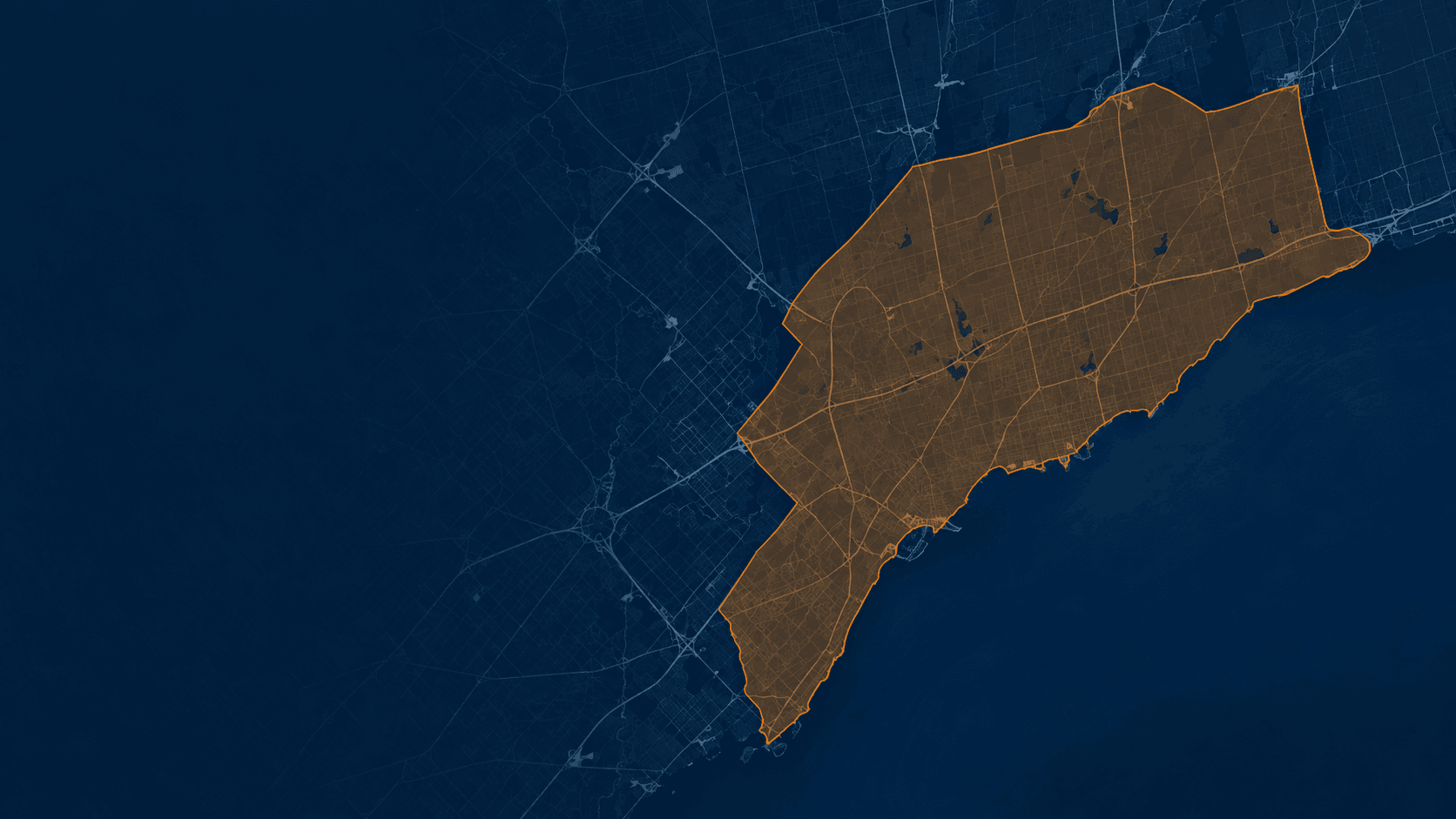
Service area
Mobile service is available across the Greater Toronto Area from a Toronto dispatch base. Provide the actual equipment location and site contact to discuss access and availability.
Regular service: Monday–Saturday: 8:00 a.m.–6:00 p.m. (America/Toronto). A request does not confirm dispatch or a completion time.
Not a service boundary or business premises
How it works
For mobile telehandler repair, send the make/model, known attachment, affected function, existing messages and current machine location. Include the original handling task and access restrictions. Do not lift a load, change attachments or operate the boom to recreate the issue.
Identify the original boom, steering, engine or drive interruption in ordinary language.
Add available model/attachment records, current position and the responsible site contact.
Assessment and access needs are reviewed before repair arrangements or timing are confirmed.
FAQs
Yes. Telehandler and telescopic handler are handled as one equipment enquiry here. Give the actual model and known attachment details so the request identifies the machine, rather than relying only on either name.
It describes the handling configuration and the task underway when the issue appeared. Include it if already known; do not remove or change an attachment for the request. Attachment-specific repair scope still needs confirmation.
No. Describe the steering behaviour already experienced and any mode information already recorded. Additional steering tests are not needed for intake and should not be used to diagnose a faulty machine.
State both facts separately and include any existing message and service history. That distinction is useful context, but does not prove a transmission or electrical failure. Do not repeat the event with a load or on a different surface.
No load-testing or certification service is established by this repair page. If documentation or an inspection is required, state it separately. Repair enquiries do not imply approval of an attachment, lifting configuration or return-to-service certification.
Request service
For mobile telehandler repair, send the make/model, known attachment, affected function, existing messages and current machine location. Include the original handling task and access restrictions. Do not lift a load, change attachments or operate the boom to recreate the issue.
We review the equipment, symptoms and site details before agreeing the work.