
Report the interruption clearly
Explain what the machine was doing, what the operator noticed and whether the unit has been removed from use. An exact fault code, make, model and asset number are more useful than a guessed failed component.

On-site forklift repair · Brampton
Arrange on-site forklift troubleshooting and repair for Brampton logistics and distribution operations. Mobile service supports high-use material-handling equipment, with 24/7 emergency availability for unplanned breakdowns.
Our approach
In a logistics operation, a forklift problem can affect unloading, put-away, replenishment or outbound staging. Bringing the repair discussion to the facility keeps the affected equipment and the people who observed the change in the same place. Mobile Forklift Repair serves Brampton customer sites across the confirmed GTA coverage area.
The company’s dispatch base is Toronto. Brampton coverage does not represent a local office, yard, branch or public workshop. Service is mobile and arranged around the customer facility, equipment condition and access details.
How on-site service worksExplain what the machine was doing, what the operator noticed and whether the unit has been removed from use. An exact fault code, make, model and asset number are more useful than a guessed failed component.
For equipment used across multiple shifts, include whether the concern is constant, intermittent, load-related or noticed after charging. Recent service information can also guide the inspection.
On-site assessment is used to identify the relevant system and discuss repair options. No response time, parts stock or first-visit completion is promised.
Service scope
Different systems can produce overlapping symptoms. The right starting point is a careful description, followed by diagnosis. These categories connect Brampton facility teams to the appropriate existing service information.

When a breakdown is operationally urgent, 24/7 emergency service is available. Provide a reachable site contact, the exact equipment location and safe after-hours access instructions.
Discuss this repair
No-start conditions, intermittent controls, wiring concerns or warning messages require equipment-specific troubleshooting. Avoid clearing codes or disturbing connectors before they can be reviewed.
Discuss this repair
Changes in stopping, steering response or wheel behaviour can affect safe use. Isolate the forklift and report the symptom rather than continuing operation to test it.
Discuss this repair
Hydraulics, mast and chain, engine and drivetrain, tires and wheels, batteries and chargers are also supported within the confirmed all-types repair scope.
Discuss this repairBrampton operating context
Preventing avoidable downtime is not the same as promising that every failure can be predicted. Operator reports, recurring codes, charging behaviour and changes in braking, steering or lifting can reveal when equipment needs attention before a small symptom becomes a larger interruption.
Record when the issue occurs and whether it clears after shutdown, charging or a change of operator. Consistent notes reduce the risk that an intermittent problem disappears from the repair conversation.
State whether the unit is at a dock, in an aisle, in a yard or beside racking, and describe how the work area can be separated from traffic. Do not operate a questionable machine simply to relocate it.
Businesses coordinating several facilities can reference the service-area page and submit each location with its own access information. Brampton service remains mobile, not a local shop.
Mixed fleet support
The equipment range supports both counterbalance and warehouse tasks. Aerial platforms such as scissor lifts and boom lifts are handled as their own equipment types, not renamed as forklifts, and telehandlers are identified separately as well.
Useful details include starting behaviour, running quality, hydraulic response and any change under load.
Note battery state, warning messages, connector observations and whether travel, lift or steering functions are affected.
Report travel, platform, control and lift symptoms while leaving gates and safety devices intact.
Describe reach, lift, steering and drive behaviour, including whether the concern appears only in a particular direction or function.
Identify the powered machine and explain any handle-control, travel, lift or charging concern.
Information for your service request
The table connects observations with possible service categories only. A technician’s assessment is required before the fault, needed work or parts can be established.
| Observed problem | Possible service area | Equipment examples |
|---|---|---|
| Machine cranks or powers up but will not travel | Electrical, control or drivetrain assessment | Propane, diesel or electric counterbalance forklifts |
| Forks drift or lift unevenly | Hydraulic, mast or chain inspection | Reach trucks, order pickers and counterbalance forklifts |
| Tire damage or vibration is observed | Tire, wheel or steering review | High-use warehouse and yard forklifts |
| Battery does not complete a normal charge | Battery, charger, connector or electrical troubleshooting | Electric forklifts and powered warehouse equipment |
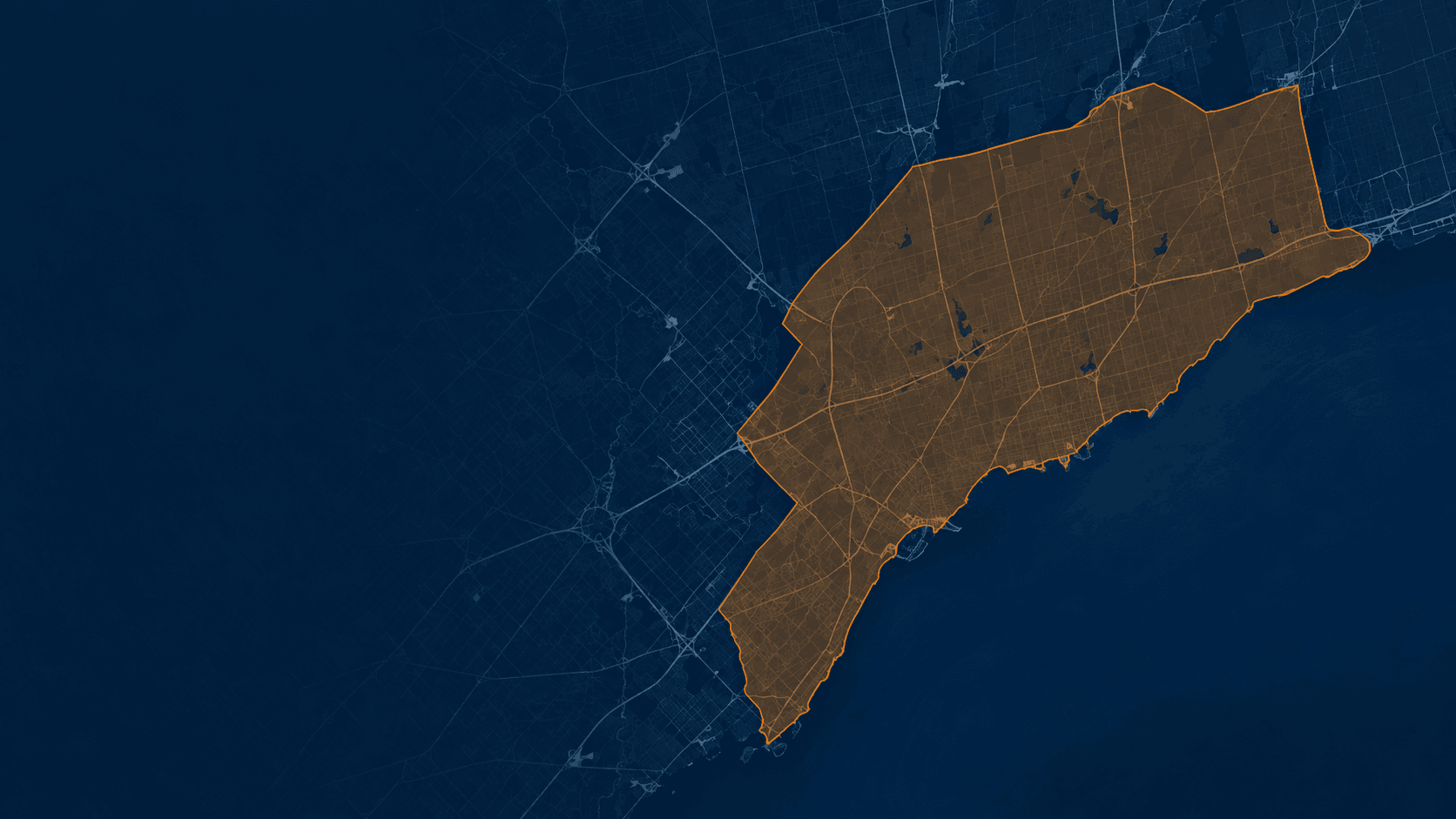
Service area
Service is provided at commercial and industrial facilities in Brampton. Mississauga, Caledon and Vaughan are nearby GTA coverage examples that may be relevant to multi-site operators; none is presented as a technician base or arrival-time promise.
Not a service boundary or business premises
How it works
The request process gathers information needed to discuss access and diagnosis. It does not book a technician automatically or confirm a repair outcome.
Share the forklift type, power source, make, model, serial or asset number, displayed code and the sequence of events before the problem appeared.
Provide the full site address, where the equipment is parked, the preferred entrance and any dock, yard, gatehouse or security instructions.
After the unit is assessed, the work that can be performed and any parts or follow-up requirement can be discussed from evidence rather than assumption.
FAQs
Use these answers when planning service for a distribution centre, warehouse or other material-handling facility.
No Brampton branch or public drop-off address is claimed. The business is based in Toronto and travels to customer facilities throughout the GTA for on-site forklift repair.
Yes. Explain the operating schedule, when the symptom appears and whether another unit shows the same behaviour. This history supports diagnosis but does not replace inspection.
Stop using it, follow your facility’s isolation procedures and keep people clear of hazardous areas. Call (647) 600-7766 with the equipment details and observed problem; do not bypass interlocks or attempt an improvised repair.
Emergency forklift repair is available 24/7, separately from regular Mon–Sat, 8 AM–6 PM hours. Availability still requires the issue, location and access to be reviewed; no fixed arrival time is promised.
The confirmed equipment range includes reach trucks, order pickers and powered pallet jacks as well as electric, propane and diesel forklifts. Provide the exact machine type because controls and working functions differ.
Yes. List each asset separately with its own make, model and symptoms. Grouping unlike issues into one general description can hide the information needed to plan the assessment.
Request service
Call (647) 600-7766 or use the existing request flow to provide the Brampton location, machine identification and operational symptoms. Regular hours are Mon–Sat, 8 AM–6 PM; urgent forklift breakdowns can be discussed through the 24/7 emergency service.